Posts

TIM DAHL - SOLO

Image
Tim Dahl is a New York based bass player and composer with a diverse CV that spans contemporary jazz and art rock. The skewed wit he can display as co-host of Lydia Lunch’s podcast The Lydian Spin spills over into this debut solo release from September 2021 where Dahl acts (?) in a series of skits as the outraged beneficiary of Nandor Nevai’s chaotic production style.   These dialogue tracks on Solo reflect the anarchic spirit of Frank 'Rat Bastard' Falestra’s International Noise Conference to which Nevai and Dahl have contributed. They also suggest Frank Zappa’s clandestine band conversation recordings such as the interludes that link the solos on Shut Up and Play Yer Guitar . ‘The Producer’ and ‘I Ruined It’ are particularly self-reflexive whereas ‘Do You Have’ experiments with backwards vocals in a way that is more formally stimulating. How you feel about this kind of faux verité may depend on whether you believe the comedy music aspect of Zappa’s oeuvre contributed to ...
BRO SPLITS - TRAPS/SANDER COHEN

Image
This split release on Halfmeltedbrain from TRAPS and Sander Cohen, two noise rock bands from Kent, UK, sand blasts your face with aggregates extracted from sonic aggression’s choicest quarry. Distorted scream vocals and churned riffs out of Unsane meet the kind of drum demolition Lightning Bolt and Hella use to tattoo the statutes proscribing your worst imaginary crimes into the flesh of your back. TRAPS fall more into the post-hardcore camp with their three tracks in contrast to the math sludge and noise ambient directions they’ve taken on earlier releases. Sander Cohen use evangelical samples to breathe atmosphere into four of their tuneful edifices of din, while still retaining serious crossover thrash credentials. TRAPS convey excoriating rants of toxic discontent over a shifting carpet of prog sludge with shades of Melvins. ‘Four Ashfields For Four Twenty-Five’ invokes a teenage depressive gloom stretching into adulthood with heroin and alcohol as the only forms of relief. ‘Back...

MULES - CLAPPING FOR CARERS

Image
  From the off, this debut single by Brighton-based four-piece Mules recalls British post-punk’s halcyon days of socio-political engagement. A litany of false consciousness, exemplified in lines like “ Taking Ambien and tweeting is not praxis ”/ “Putting filters on selfies is not praxis ,” is delivered in a blunt, spoken word style that recalls the Brechtian alienation effect practiced by Gang of Four and Wire. Musically, it owes a little more to the North American post-hardcore of Wipers or Metz; but overall, the angular attack of ‘Clapping for Carers’ puts the listener in touch with a cultural spirit that was truly transatlantic as it captured a nascent discontent with the implementation of neoliberal capitalist ideology. The Gang of Four of ‘At Home He’s a Tourist’ or Fugazi at their most strident come to mind. Perhaps an even more unconscious debt may be owed to ‘Skank Bloc Bologna’-era Scritti Politti. Compare ‘Clapping for Carers’ and the Scritti song ‘Hegemony’: on a surface...

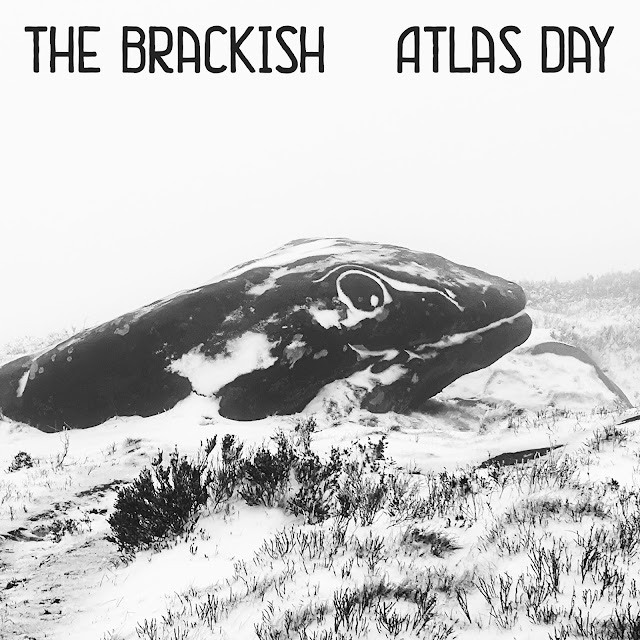
THE BRACKISH - ATLAS DAY

Image
  This is the fourth album from Bristol-based avant-rock outfit The Brackish . From their 2014 debut  Big Guys  onwards, their style has hinged on  blending composition and improvisation to form  complex, yet accessible post-everything instrumentals.  For this HalfMeltedBrain Records release, they've attempted a more accurate replication of their live sound, with the jazzier elements of their collective approach pushed to the foreground. There are elements of math rock and prog-metal that suggest polyrhythmically tricky forebears like Tortoise and Battles (and sometimes British contemporaries black midi); but there's also plenty of kraut-flavoured space and stoner groove to aid cognitive absorption for those more into headphonaut contemplation.  While some of their earlier material has an almost dancefloor-friendly, neo-bluegrass bounce, the predominant moods on this release are exemplified by either knotty and stormy epics or downtempo, jazzy dream pi...

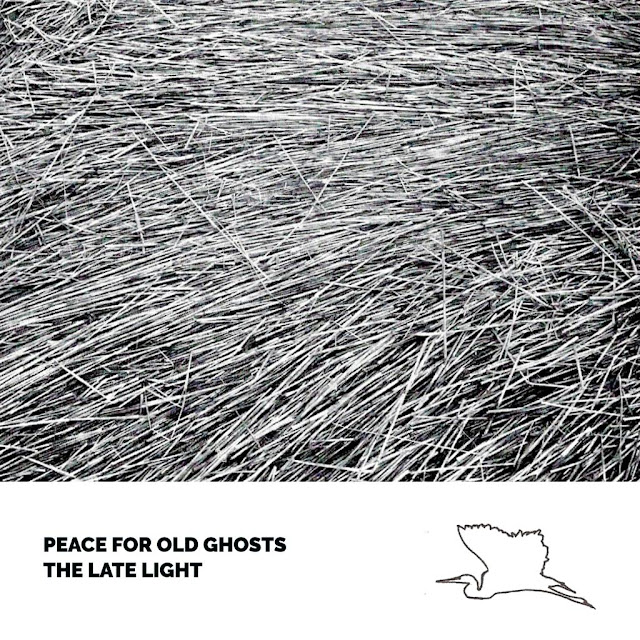
PEACE FOR OLD GHOSTS - THE LATE LIGHT

Image
  The Late Light is singer-songwriter Simon Shippey’s seventh release as cosmic folk entity Peace for Old Ghosts on  Eyeless Records. Lockdown gave him time, as it has for so many other artists unable to work at their day jobs, to refine a group of songs originally written in 2019. For the listener aware of the personal tragedy that enshrouds his 2015 release Sideways And Downwards , the dominant emotional tone seems to be of acceptance: an embrace of time’s capacity to heal with a view towards self-reconstruction. ‘I’ve got to give myself a break/We all make mistakes ’ he sings on the title track. While The Late Light doesn’t have the earlier album’s thematic gravity (perhaps necessarily so), it’s a solid collection where Shippey continues to enhance his songcraft with a variegated sonic palette.   ‘How Much Love’ could be a hit overground single with its Lloyd Cole/Elliot Smith vibes. ‘ Knowing where you are is a good place to start/Knowing your mind, knowing your...

HITS FROM THE ARCHIVE #2: KILL LIST

Top of Form Bottom of Form Some genres, like crime and horror, have a relationship so symbiotic they intertwine like helical strands in cinema's DNA. Common cinematographic elements like low-key lighting and asymmetrical compositions have their origins in German Expressionism, a movement that shone chiaroscuro light on the macabre and the subaltern. There's a common patrimony for existential themes and oneiric logic in Franz Kafka's magic realism. The publication in 1978 of William Hjortsberg's novel  Falling Angel  saw a more reflexive blurring of stylistic boundaries, paving the way for a Satanic supervillain like Keyser Soze to invest Bryan Singer's crime film  The Usual Suspects  with Gothic menace. Like  Angel Heart , Alan Parker's 1987 adaptation of Hjortsberg's novel, the 2011 British thriller  Kill List  has its protagonist increasingly unhinged as he's drawn under the influence of dark conspiratorial forces. But director Ben Wh...

PROLEGOMENON TOWARDS VOIDWAVE #1: THE HEAD CANON AND THE LONG 1970s

Image
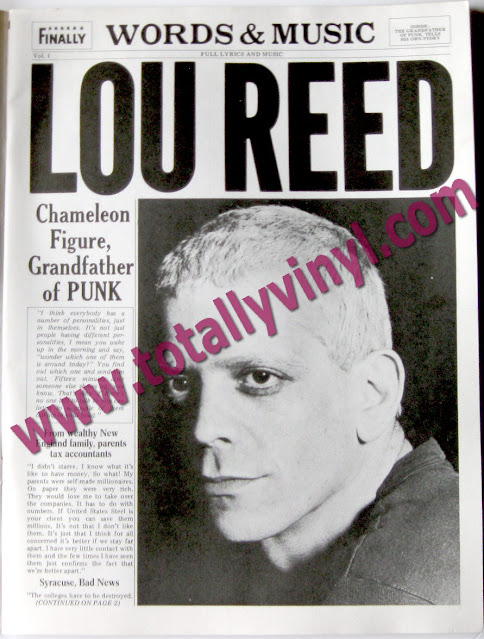
    LOU REED, IAN CURTIS AND THE SEVENTIES ROMANCE OF DESPAIR   BY JON KROMKA          ‘Love is but a song we sing, fear’s the way we die’. The opening lines of Chet Powers’ peace anthem ‘Get Together’, unfolding in the diaphanous jangle of the Youngbloods’ 1967 version, conjures an ambiguous mood that some of us who were children of the 1970s remember as a prevailing climate. A stark dialectic is set forward in those lines that colours the rest of the song, undermining its rousing chorus, exposing it as a feeble plea to sustain a (largely imagined) state of grace that was already slipping through everyone’s fingers. It’s something felt better by us 70s kids than we were capable of understanding shifting social attitudes as countercultural moral imperatives turned into New Age platitudes and, by the punk era, despised hippie clichés. That’s why a historical overview such as Francis Wheen’s Strange Days Indeed only tells half the sto...